

Beyond the Record
There is a new Guiness World Record on the board. Tasmanian Marine biologist, explorer and mountain biker Annie Ford rode the downhill track at Coronet Peak, New Zealand for 24 hours and accumulated 55,727 record-breaking meters of vertical descent over 133 laps. A good reason for us at Ergon to pick up the phone for a chat.

"I gave the grips hell and they went with it."
Ergon: Annie, you have just set a new Guiness World Record. How did you come up with this challenge?
Annie Ford: A couple of years ago, I did the women’s record uphill on a mountain bike. A few days later, my good friends Rhys Ellis and Simon French did a 24-hour downhill ride at Maydena Bike Park in Tasmania in order to raise money for a charity. It got me wondering what was possible, so I did some research, and learned that the downhill world record was about 40,000 meters, held by a couple of gentlemen in Europe. There was no female record. I was so inspired, I thought I’d give it a go!

Ergon: Many riders have not visited Coronet Peak. Can you describe the terrain you were riding there?
Annie Ford: Coronet Peak is one of the closest mountains to Queenstown. From the summit to the base, there is about 1,200 meters of elevation and it's littered with some of the world's greatest trails. The trail that I chose to do the world record on was the Coronet Downhill Track. It’s the track the National Downhill Race is held on. It is one of the most beautiful places on the planet, overlooking the whole Whakatipu basin. It's a beautiful place to spend 24 hours.
Ergon: What kind of training did you do to prepare?
Annie Ford: There’s definitely a lot of physical and psychological preparation needed for a 24 hour downhill world record. It took about three to four months of focused training. It involved a lot of riding every day, up to 15,000 to 20,000 meters of elevation a week on average. I did a few big days as well - about a third of the existing world record in a non-stop single push. I also went to the gym three days a week to do resistance and weight training, focusing on arms, legs and back.
Ergon: The arm pump must have been unbearable.
Annie Ford: No matter how well you prepare, the arm pump is the worst! Most pains come and go, but your arm pump just escalates. I knew it was coming, so it's part of the mental preparation. It’s crucial to have a good attitude when that pain comes.

Ergon: You were not alone during those 24 hours. Can you tell us a bit about the team that accompanied you?
Annie Ford: The people I got to share the day with were the best part. Queenstown is a melting pot of some of the most talented professionals in the sport. We had massage therapists, coaches and physicians all on standby. Almost every lap I had someone helping with the arm pump, easing the pressure on the fascia that was getting increasingly painful.
Ergon: What were the greatest challenges when riding for so long?
Annie Ford: Definitely my arms and hands. I knew that would always be the most difficult part, so we put a lot of focus on the bike setup in preparation, making sure I had the right grips, handlebars, fork and damper. The bike was a dream, but we had a lot of fog at night that really slowed us down, which made the riding rougher. The rotors and brakes were wearing through a lot quicker than we expected, given we had a little bit of moisture in the soil, which made it really gritty.
Ergon: And you had to deal with getting tired.
Annie Ford: I had to manage the fatigue. Focusing on the first three meters in front of your wheel for 24 hours in light and dark, maintaining that focus on a black trail with double black features. I started having caffeine every 45 minutes from midnight onwards. If you slip or dab a foot, the whole record could be over. You can’t afford to have a layover and injure your hands, because your ability to hold on is crucial. And when you've got over 40 people supporting you and Coronet Peak are running the chair lift for 24 hours just for you, the pressure was really on.
Ergon: Your bike was fitted with two Ergon components, namely GDH Team grips and a SM Enduro saddle. How did they fare? Did they help you with your record attempt?


„The Ergon enduro saddle was perfect for the downhill world record. “
Annie Ford: Yes, absolutely. It was a big day for the tools, lots of big hits, and loads of wear and tear. I ran an enduro saddle rather than a downhill saddle, because I needed to sit down so I could rest my legs. Nothing too big, though, because you're always moving back and forth and side to side. It's such a physical trail and the enduro option was perfect for the downhill world record. It was the best feeling in the world sitting on that saddle, especially when you're 23 hours into a world record. And then the GDH Team grips, they’re just the best. I didn’t have to think about them, I was just locked on. I didn't have to think about my hand placement once. They're super comfy and are perfect for the downhill scene. I gave them hell and they went with it.
Ergon: You are an active environmentalist and used your record-breaking ride to raise funds to protect and restore the foothills of Coronet Peak. Can you tell us a little bit about this?
Annie Ford: The foothills of Coronet were formerly beech forest, a biodiverse and beautiful indigenous forest. In the 1860s the whole Whakatipu basin was burnt and levelled to make way for farmland. In total, there's been a 95% loss of biodiversity in the region. A Guinness World Record inspires a lot of attention, so I thought I could use the momentum and attention gained to fundraise for indigenous reforestation and give back to the mountain that has given me so much. We raised $36,000 from the world record, which will be used by a local Māori-led charity to plant over 4,000 native trees on Coronet.
Ergon: How do you connect your environmental efforts to your mountain biking?
Annie Ford: I was a marine biologist for 10 years. I’ve witnessed environmental degradation and large changes over my lifetime. When I tried to educate and help solve these causes, it was difficult to engage people and politicians. I decided to bring a bike to some of those conversations – particularly going on big rides, raising awareness, and sharing the whole experience. By combining adventure and activism, I found a fun and impactful way to raise awareness about seismic blasting and protecting native forests.
Ergon: Would you say cyclists are more environmentally aware than other people?
Annie Ford: Bike riders regularly immerse themselves in nature and get to connect with our natural environment on a deeper level. This experience and connection leads cyclists to care about these places. We get to breathe that air. We get to swim in those rivers. We get to sit on top of mountains. I think that transfers into environmental awareness and becoming active when these places are threatened. When bike riders are informed, they make great decisions. I’ve done my best to bring their voice to environmental campaigns, and can say with confidence: the bike riding community cares, and actively want to improve the places we get to enjoy, we just need to know how.
Ergon: What's next for you?
Annie Ford: There’re always millions of ideas rattling around in my brain, that's for sure! Next off the bat is a ride on my mountain bike from Scandinavia to Morocco. I‘ll arrive in Norway in June and I'll be riding through Norway, the Lofoten Islands and Sweden, down to the Netherlands, through Germany over to the UK and then down through France, over to Switzerland, then I'm going to head west through Spain to Morocco. So, it's a huge wiggle all through Europe – the biggest ride I've ever done.
Ergon: Do you want to share something else before we wrap up?
Annie Ford: Honestly, the only thing that I'd like to add is this: Jump on a bike and see where it takes you. Experiencing the world on a bike is physically and emotionally rewarding. It will connect you with others – and yourself – in a fun and healthy way. It's an incredible world out there, and if you can go after something you care about with passion – it’s the most fulfilling experience I know of. The best parts of life are out there.
Ergon: Annie, thank you so much for your time.
„Jump on a bike and see where it takes you.“
With the Ergon SM Enduro and GDH Team to the world record
Designed with the help of top Enduro World Series riders, the SM Enduro lets you go full speed ahead. The narrow, short shape offers all the freedom you need, while the relief channel reduces pressure. If you want to dominate the trails and prioritise comfort – or set a world downhill record – the SM Enduro is for you.
Discover the SM Enduro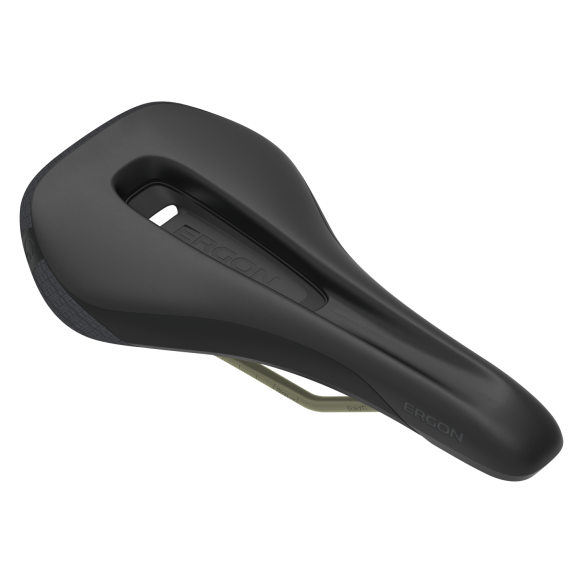
The Ergon GDH Team shows how effective ergonomics can be in a downhill grip. Shape, texture, rubber - every detail of the GDH Team has been designed to give you more control and speed on the descent. All functional zones are tailored to the demands of MTB use and offer maximum relief.
Discover the GDH Team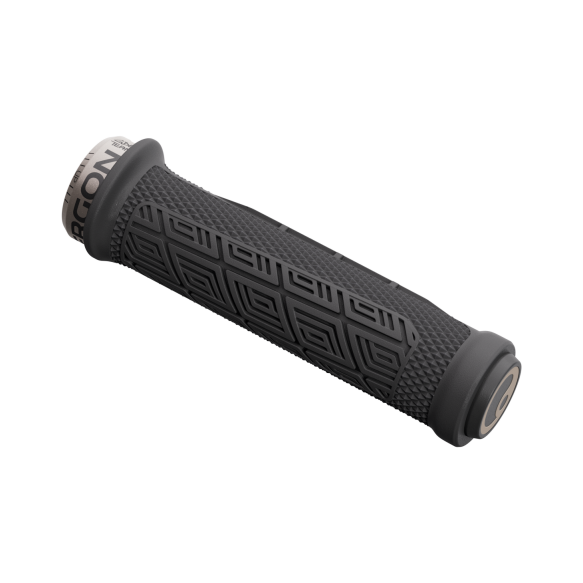
*All images shown on this website were created by Sammy Croft and Coronet Peak. The rights to the images belong exclusively to him/her. Use or reproduction of the images is only permitted with the express permission of the author.